
How Solar Energy Is Transforming Modern Agriculture and Farming Operations
Modern agriculture depends on energy. From irrigation pumps and ventilation systems to refrigeration and processing equipment, farms often require a reliable electricity supply to keep daily operations running. As farmers look for ways to manage energy expenses and operate more sustainably, solar power is becoming an increasingly valuable option.
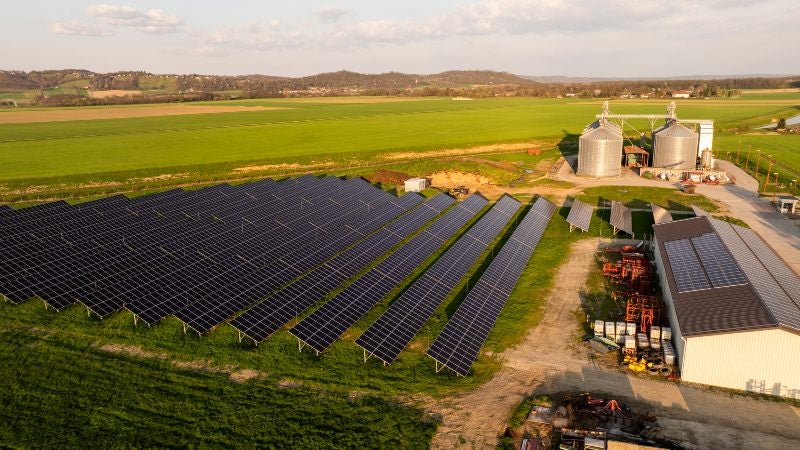
Solar energy in agriculture can support everything from irrigation and greenhouse operations to food storage and equipment operation. Solar technology can be particularly useful in rural settings where access to conventional electrical infrastructure may be limited.
Understanding Solar Energy in Agriculture
Agricultural solar systems use photovoltaic panels to convert sunlight into electricity that can be used throughout a farm. Depending on the design, electricity may be used as generated, stored in batteries for later use, or integrated into a larger electrical system.
Another developing approach is agrivoltaics, which combines agricultural production and solar energy generation on the same land. Solar panels can be positioned around or above certain crops, allowing the property to serve two purposes rather than requiring farmers to dedicate the land exclusively to power generation. The right agricultural solar solutions depend on factors such as the farm’s energy requirements, property layout, climate, available sunlight, and existing infrastructure.
Applications of Solar Energy in Farming
One advantage of solar technology is its versatility. Farmers can explore solar power for several parts of their operations outlined below.
Solar Irrigation Systems
Pumping and transporting water can require considerable electricity. Solar panels can provide power for pumps used for crop irrigation and livestock water supplies, including in locations where dependable grid electricity may be unavailable. Solar irrigation systems may be particularly useful for farms with pumps located far from established electrical infrastructure.
Solar-Powered Farm Equipment
Solar electricity can help power various motors, pumps, and other electrical farm systems. When combined with battery storage, solar-powered farm equipment can give agricultural operations another option for meeting their electricity requirements.
Solar-Powered Greenhouses
Greenhouse operations may require energy for heating, cooling, lighting, and ventilation. Solar electricity can be incorporated into greenhouse operations to help provide some of this energy. Solar greenhouse systems can also incorporate battery storage and insulation to support operations when sunlight is unavailable.
Refrigeration and Food Storage
Keeping harvested products at appropriate temperatures is another potential application. Solar electricity can be used for agricultural cooling and refrigeration, including in remote areas with limited grid access.
Solar-powered drying systems provide another option for post-harvest processing. Enclosed solar dryers can be used to dry agricultural products while helping protect them from some of the contaminants associated with open-air drying.
Benefits of Solar Energy for Farmers
The potential benefits of solar energy in agriculture extend beyond producing renewable electricity. Some of the most significant benefits include:
- Reduced Reliance on Conventional Electricity: Producing power on the farm can decrease the amount of electricity an operation needs to obtain from the traditional grid.
- Access to Power in Remote Areas: Solar systems can provide electricity in agricultural locations where conventional electrical service is limited or unavailable.
- Support for Sustainability Goals: Solar power is renewable and can reduce reliance on fossil fuels for electricity generation.
- Additional Uses for Agricultural Land: Agrivoltaic projects can allow farming and energy production to occur on the same property. In certain applications, panels can also provide shade for crops or livestock.
- Potential Additional Revenue: Some agricultural solar projects can create another source of farm income by producing electricity that may be sold to the grid, depending on the project’s design and local programs.
Challenges and Considerations
While solar farming systems offer significant possibilities, they’re not automatically the right choice for every operation. Initial installation expenses can be substantial, particularly for large systems or projects requiring battery storage. System performance also varies according to location and environmental conditions, making a thorough site evaluation important.
Farm owners should also consider available space, expected electricity consumption, equipment needs, panel placement, and long-term maintenance requirements. Local permitting and utility requirements can influence how a project is designed and connected. Working with qualified solar professionals can help farmers evaluate the practical and financial considerations before moving forward.
Future of Solar Farming Technology
The relationship between agriculture and solar power continues to evolve. Agrivoltaics is one notable area of development because it explores how farmers can generate electricity while continuing to use land for crops, livestock, or other agricultural purposes.
Solar sites can potentially serve additional purposes as well. For example, some solar fields incorporate vegetation and pollinator-friendly habitat around and beneath panels. As solar technology and agricultural practices continue to develop, farmers may find additional ways to integrate renewable electricity, energy storage, water management, and agricultural production.
Contact Better Tomorrow Solar
Better Tomorrow Solar provides complete solar solutions for Atlanta, GA. From solar irrigation systems and solar-powered greenhouses to refrigeration and remote electricity supplies, today’s agricultural solar solutions can be adapted for a variety of applications. The best system will depend on the needs of the individual farm. Reach out to us to learn more today.
Solar energy has come a long way from the relatively limited photovoltaic systems of decades past. Improvements in materials, manufacturing, system…
Sustainability has moved from a long-term ambition to an important consideration for businesses, property owners, and facility managers. As companies…