
Top Benefits of Solar Power for Restaurants
Running a restaurant means managing numerous expenses, from ingredients and labor to equipment maintenance and utilities. Energy can be especially important because refrigeration, cooking equipment, HVAC systems, dishwashing, lighting, and other systems may operate for many hours each day. Restaurants are among the more energy-intensive types of commercial buildings, making energy management an important consideration for owners. 8MSolar notes that restaurants’ daytime operations and continuous refrigeration needs can make their energy-use profiles a strong match for solar generation. For restaurant owners in Atlanta, GA, solar power for restaurants offers an opportunity to generate electricity on-site while supporting broader sustainability goals.
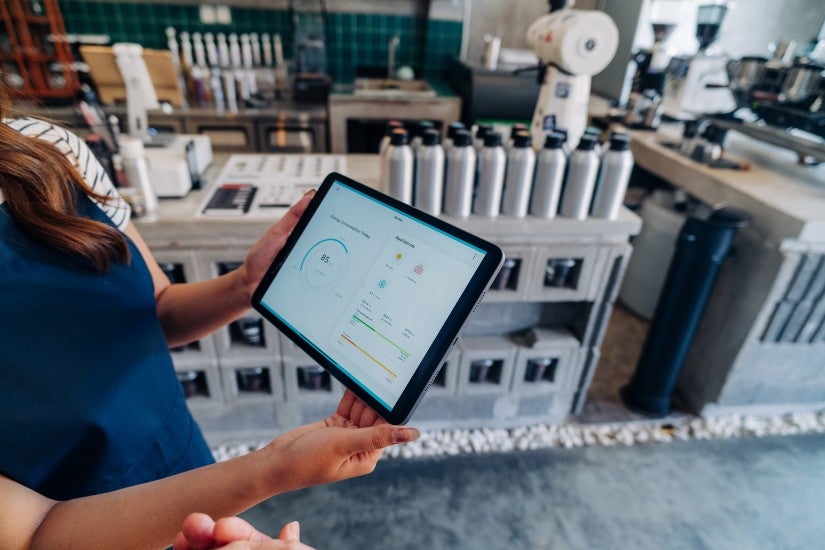
Rising Operating Costs in the Restaurant Industry
Restaurant owners face the ongoing challenge of controlling overhead without compromising food quality, service, or the customer experience. Energy use represents one area where operators may be able to make long-term changes.
Commercial kitchens depend heavily on electricity to keep essential systems operating throughout the day. Refrigerators and freezers must remain running, dining rooms need heating or cooling, and lighting, ventilation, dishwashing equipment, and numerous appliances contribute to overall consumption.
Solar energy can provide restaurants with an additional source of electricity and reduce the amount that needs to be purchased from the grid when panels are producing power.
Why Restaurants Are Turning to Solar Energy
One reason restaurants can be good candidates for solar is the overlap between electricity consumption and daylight hours. Food preparation, refrigeration, HVAC operation, and lunch service can all contribute to daytime electricity demand, when solar panels are also producing energy.
Solar also offers flexible installation possibilities. Systems can potentially be installed on restaurant rooftops or incorporated into solar canopies over parking areas. Understanding how solar power can benefit your restaurant starts with evaluating the building, its electricity usage, and available space.
Key Benefits of Solar Power for Restaurants
- The actual financial and operational benefits vary by property, system size, electricity consumption, financing, and local utility rules. Some of the most important restaurant solar energy benefits include:
- Reduced Reliance on Grid Electricity: On-site solar generation can offset part of a restaurant’s purchased electricity.
- Greater Long-Term Cost Predictability: Producing electricity on-site can reduce exposure to changes in utility electricity costs.
- Productive Use of Available Space: Suitable rooftops and parking areas can become energy-generating assets.
- Support for Sustainability Initiatives: Renewable generation can complement other environmentally conscious restaurant practices.
- Flexible System Configurations: Depending on the property, restaurants may consider rooftop arrays, parking canopies, or solar paired with energy storage.
Enhancing Sustainability Efforts
Today’s sustainable restaurant practices can encompass everything from reducing food waste and sourcing ingredients responsibly to improving energy efficiency.
Solar can add renewable electricity generation to that strategy. By generating electricity from sunlight, restaurants may reduce the amount of conventionally generated grid electricity they purchase. Pope Energy identifies renewable energy alongside measures such as sustainable food sourcing and reducing plastic use as ways restaurants can address their environmental footprint. Restaurants can combine solar with efficient lighting, HVAC improvements, and energy-efficient kitchen equipment to take a broader approach to energy management.
Ideal Solar Applications for Restaurants
Solar power systems for restaurants can be adapted to different properties and operating models. Some ideal applications for restaurants include:
- Rooftop Solar: A restaurant with adequate unshaded roof space may be able to install a rooftop array without using additional land. Before installation, the roof’s condition, structural capacity, orientation, and shading should be evaluated.
- Solar Parking Canopies: Restaurants with parking lots can potentially install solar canopies, which allow the same area to serve both parking and electricity-generation purposes. Solar canopies may also provide shade for parked vehicles.
- Solar Panels for Commercial Kitchens: Rather than directly powering only specific appliances, solar panels for commercial kitchens contribute electricity to the restaurant’s overall electrical system. That generation can help offset demand associated with refrigeration, lighting, ventilation, and other electrical equipment while the system is producing.
- Solar Plus Battery Storage: Battery storage can be paired with solar to save generated electricity for later use. Whether batteries make financial sense depends on factors including the restaurant’s load profile, utility rates, system configuration, and resilience goals.
Financial Considerations and Solar ROI for Restaurants
Calculating solar ROI for restaurants requires more than looking at the installation price. A thorough analysis should consider the restaurant’s historical electricity consumption, proposed system production, available roof or parking space, financing costs, utility rate structure, maintenance expectations, and applicable incentives. Local rules matter. Incentives and electricity compensation arrangements can change, so Atlanta restaurant owners should base financial projections on current programs rather than figures from older solar articles.
Tips for Choosing a Solar Installation Partner
The right contractor can help determine whether solar is appropriate for an individual restaurant. When comparing installers, consider:
- Experience designing commercial solar systems
- Knowledge of Atlanta-area permitting and utility requirements
- Ability to evaluate the building’s roof, shade, and electrical needs
- Clear system-production and financial projections
- Transparent equipment, warranty, financing, and maintenance information
- Experience coordinating installation around normal business operations
- Options for battery storage or parking-canopy systems when appropriate
Make Solar Part of a More Energy-Efficient Restaurant
Better Tomorrow Solar helps Atlanta, GA restaurants become more energy efficient with solar power. From rooftop panels to parking canopies and battery storage, restaurants have multiple options to explore. A site-specific assessment can help determine the right system size, expected energy production, costs, and potential financial benefits, allowing owners to make an informed decision about whether solar fits their property’s long-term goals. Contact us today to learn more about solar energy.
Modern agriculture depends on energy. From irrigation pumps and ventilation systems to refrigeration and processing equipment, farms often require a…
Solar energy has come a long way from the relatively limited photovoltaic systems of decades past. Improvements in materials, manufacturing, system…