
Innovative Solar Technologies Driving the Future of Renewable Energy
Solar energy has come a long way from the relatively limited photovoltaic systems of decades past. Improvements in materials, manufacturing, system design, monitoring, and energy storage continue to make solar power more practical for homes and businesses.
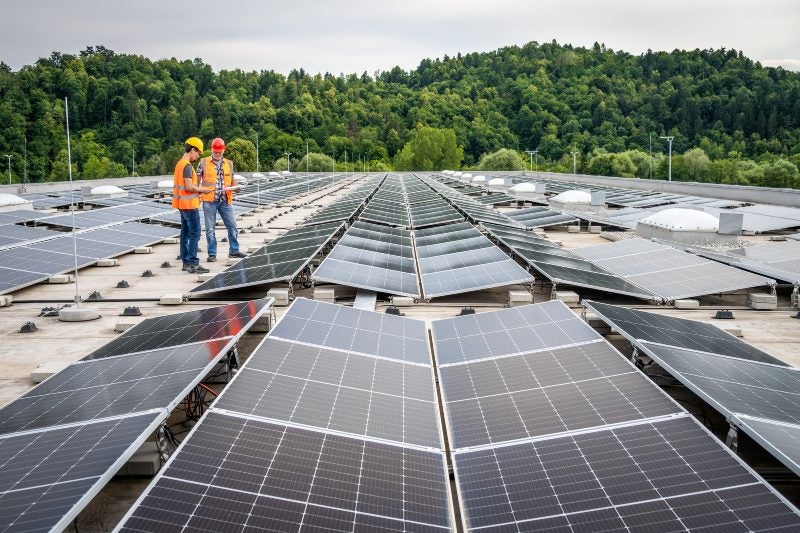
Today, solar technology advancements stretch well beyond the panels installed on a roof. Researchers and manufacturers are exploring higher-efficiency cells, bifacial panels, floating solar farms, smarter monitoring systems, artificial intelligence, and better battery storage. Together, these developments are changing how solar electricity can be generated, managed, stored, and used.
The Need for Innovation in Solar Energy
Growing demand for electricity and renewable energy is placing new expectations on solar technology. While traditional photovoltaic systems have become increasingly accessible, solar power still presents challenges. Production varies with sunlight and weather, space for installations can be limited, and energy generated during sunny periods does not always coincide with when electricity is needed.
Innovation helps address these limitations. For example, higher-efficiency modules can generate more electricity from a limited area, while new solar applications make use of spaces that may otherwise go unused. Floating solar arrays use bodies of water, and solar carports can turn parking areas into energy-generating spaces.
Emerging Solar Technologies
Some of the latest solar innovations focus on changing how photovoltaic cells capture sunlight. We break down emerging technologies in solar below.
Next-Generation Solar Panels
Bifacial modules are designed to collect solar energy from both sides rather than relying exclusively on sunlight striking the front surface. Another promising development is tandem solar technology. Perovskite-silicon tandem cells combine light-absorbing materials so different layers can capture different portions of the solar spectrum. This approach is being developed as a pathway toward higher efficiencies than conventional single-junction silicon cells.
These next generation solar panels could eventually help generate more electricity from the same general footprint. However, emerging technologies still have to meet important requirements involving durability, manufacturing scale, and long-term performance before broad adoption.
Other innovations are expanding where solar can be installed. Floating photovoltaic systems, solar-integrated structures, and photovoltaic building materials demonstrate how solar generation can potentially be incorporated into a wider variety of environments.
Smart Solar Solutions
Increasingly, software is becoming part of the equation. AI in solar technology can help analyze large amounts of operational, environmental, and weather-related data. Machine-learning applications are being explored for functions such as site selection, system monitoring, production forecasting, shading analysis, and detecting potential equipment problems.
For homeowners and businesses, smarter monitoring can provide greater visibility into how a solar system performs. For larger installations, predictive maintenance could help identify warning signs before equipment problems result in extended downtime. AI-supported energy management can also evaluate usage patterns and help coordinate energy consumption with periods of solar generation.
Advances in Solar Energy Storage
Battery storage addresses one of solar energy’s fundamental challenges. Since the sun doesn’t shine around the clock, solar needs additional power. A solar-plus-storage system can store some excess electricity for use at another time rather than requiring all generated electricity to be consumed immediately. Smart technology adds another layer of control.
AI-enabled storage systems can analyze production, electricity demand, prices, and weather forecasts to inform decisions about when energy should be stored or released. As battery and energy-management technologies continue evolving, storage is likely to play an increasingly important role in making solar generation more flexible.
How These Innovations Benefit Consumers and Businesses
Solar innovation isn’t simply about achieving impressive numbers in a laboratory. The larger goal is to make renewable energy more useful in real-world settings. Potential advantages of emerging technologies include:
- Better Use of Limited Space: Higher-efficiency panels can increase the amount of power generated from a given installation area.
- Improved Monitoring: Smart systems can provide better insight into system performance.
- Proactive Maintenance: AI-based monitoring may identify potential equipment issues earlier.
- Smarter Energy Use: Energy-management systems can help coordinate electricity consumption with solar production.
- More installation Possibilities: Solar carports, floating systems, and building-integrated technologies can make previously unused surfaces part of renewable-energy generation.
Future Trends in Solar Energy
Looking ahead, several solar energy trends could influence the industry’s next chapter. Higher-efficiency tandem cells are one area to watch as manufacturers work on improving durability and scaling production. At the same time, AI and machine learning are expected to remain important tools for production forecasting, predictive maintenance, smart-grid integration, and energy management.
Solar installations may also become increasingly integrated into the built environment. Solar windows, carports, building components, and other applications could expand the number of surfaces capable of generating renewable electricity. Rather than one breakthrough defining the future of solar, progress is likely to come from multiple innovations working together.
The Future of Solar Is Smarter and More Versatile
Better Tomorrow Solar stays ahead of the curve with innovative solar solutions in Atlanta, GA. Improvements in photovoltaic materials are increasing the possibilities for efficiency, while AI, monitoring, energy management, and storage are making solar systems smarter and more adaptable. Contact us today to join the revolutionary world of solar.
Modern agriculture depends on energy. From irrigation pumps and ventilation systems to refrigeration and processing equipment, farms often require a…
Sustainability has moved from a long-term ambition to an important consideration for businesses, property owners, and facility managers. As companies…