
Why Commercial Buildings Are Investing in Solar Energy Solutions
Sustainability has moved from a long-term ambition to an important consideration for businesses, property owners, and facility managers. As companies look for practical ways to manage energy expenses and reduce their environmental impact, renewable energy is increasingly part of the conversation.
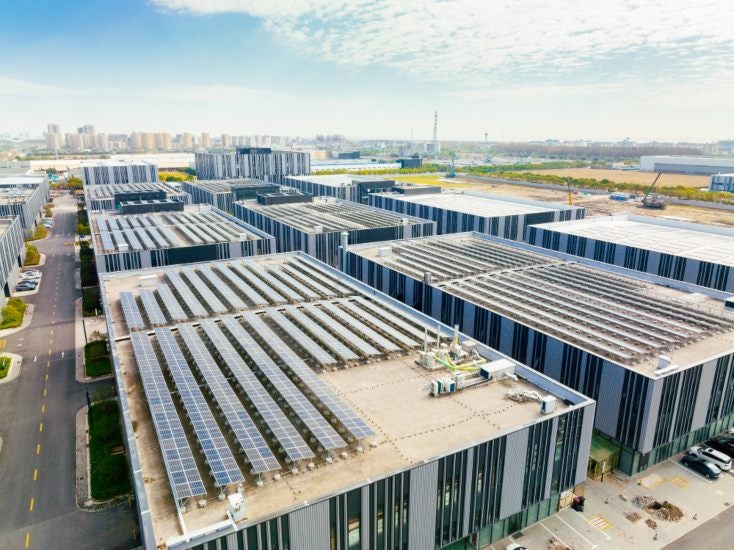
One solution that is receiving significant attention is solar power. Commercial solar adoption can enable organizations to generate electricity on-site while supporting broader sustainability and energy management goals. Solar can be particularly appealing for commercial properties with large rooftops, parking areas, or available land that may accommodate photovoltaic (PV) panels.
Understanding how commercial solar works, its potential benefits, and the factors affecting an installation can help property owners decide whether solar makes sense for their buildings.
Understanding Commercial Solar Energy Systems
Commercial solar systems use photovoltaic panels to convert sunlight into electricity that can help power a building’s daily operations. Depending on the property, panels may be installed on rooftops, unused land, or structures such as solar carports.
The electricity generated can offset a portion of the power that would otherwise need to be purchased from the electrical grid. Some commercial properties may also pair solar generation with battery energy storage, which can store electricity for later use. Commercial buildings can have substantial available roof area for solar installations. This creates an opportunity to transform previously unused space into an on-site source of electricity.
Top Reasons Commercial Buildings Are Going Solar
Businesses invest in solar energy for commercial buildings for several reasons. Some of the most significant benefits of commercial solar energy systems include:
- Managing Electricity Expenses: Generating electricity onsite may reduce the amount of grid-supplied power a property needs to purchase.
- Supporting Sustainability Objectives: Renewable energy can be integrated into a company’s broader environmental or decarbonization strategy.
- Making Productive Use of Available Space: Large commercial rooftops and other open areas can provide potential locations for PV panels.
- Creating More Predictable Energy Planning: On-site generation can reduce some exposure to changing electricity costs.
- Meeting Changing Market Expectations: Sustainable building features may appeal to organizations and tenants seeking to reduce the environmental impact of their operations.
Sustainability Benefits for Businesses
Solar power can play a meaningful role in corporate sustainability energy strategies because PV panels generate electricity without producing direct air emissions during operation. Businesses can use onsite renewable generation as one component of a broader plan to address the energy and emissions associated with their real estate. Commercial properties can combine solar with energy-efficiency upgrades, battery storage, electric vehicle infrastructure, and other green building solutions.
Investing in solar can also provide a visible example of an organization’s sustainability efforts. This may be valuable for companies seeking practical ways to demonstrate environmental initiatives to employees, customers, tenants, and other stakeholders.
Common Commercial Solar Applications
Solar systems can be adapted to a range of commercial properties, making the technology relevant across many industries. Common applications include:
- Office buildings and corporate campuses
- Warehouses and distribution facilities
- Manufacturing and industrial buildings
- Retail centers
- Multifamily properties
- Self-storage facilities
- Parking structures and solar carports
The appropriate system ultimately depends on the building, available installation space, energy requirements, location, and business objectives.
Financial Benefits and ROI
Potential commercial energy savings are often one of the primary reasons companies evaluate solar. When a commercial property generates some of its own electricity, it may purchase less electricity from its utility. Over the life of the system, those avoided electricity costs can contribute to the project’s return on investment.
Commercial solar projects may also qualify for tax incentives or other financial programs, although availability and eligibility depend on current laws, project characteristics, location, and ownership structures. Businesses should consult qualified tax and financial professionals to determine which incentives may apply. Reducing operating expenses can have broader implications for commercial real estate as well. Lowering energy costs through onsite energy solutions can potentially improve a property’s net operating income.
Solar ROI is not identical for every property. Upfront expenses, electricity rates, system performance, financing, incentives, maintenance, and the amount of solar electricity consumed onsite can all influence the economics of a project.
Factors to Consider Before Installation
Before moving forward with commercial solar, property owners should evaluate whether the building and project conditions support an effective installation. Important considerations include:
- Roof Condition: A rooftop installation requires an assessment of the existing roof, its condition, and whether it is suitable for solar equipment. Roof condition is specifically identified as a consideration when evaluating commercial solar projects.
- Available Space: The size and configuration of the roof, parking area, or available property affect the potential installation.
- Energy Consumption: Reviewing a building’s electricity needs helps determine an appropriate system size. Energy requirements and system size are among the factors businesses should evaluate when considering solar.
- Sun Exposure: Shading and the site’s solar resource can influence system performance.
- Installation Costs: Businesses should consider initial project expenses alongside potential long-term financial benefits.
- Maintenance: Ongoing system care should be included in long-term planning.
- Property and Lease Structure: Ownership arrangements and commercial leases can affect how the costs and benefits of energy improvements are distributed.
Is Solar the Next Step for Your Commercial Property?
Better Tomorrow Solar is here for all your commercial property solar needs. We understand businesses are under increasing pressure to balance operational costs with sustainability goals. Solar energy offers a way to address both priorities by turning available building space into a source of renewable electricity. For commercial property owners exploring green building solutions, a professional solar assessment can determine which type of system is appropriate and provide a clearer picture of potential costs and long-term benefits. Contact us today to learn more.
Modern agriculture depends on energy. From irrigation pumps and ventilation systems to refrigeration and processing equipment, farms often require a…
Solar energy has come a long way from the relatively limited photovoltaic systems of decades past. Improvements in materials, manufacturing, system…