
Benefits of Solar Power Systems in Industrial Facilities
Industrial facilities often have significant energy requirements. Manufacturing equipment, processing systems, lighting, HVAC equipment, refrigeration, and other essential operations can contribute to substantial electricity consumption. As companies seek to control operating expenses while pursuing sustainability initiatives, solar power has become an increasingly attractive option.
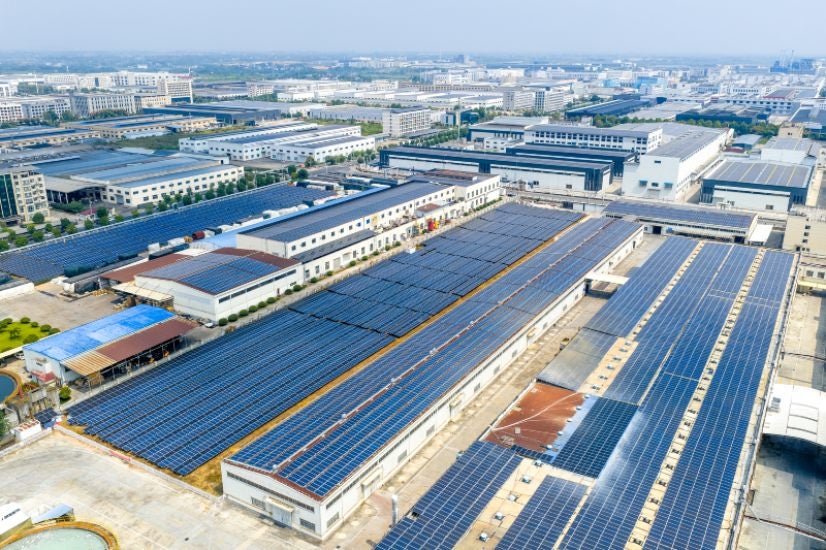
From factories and warehouses to manufacturing plants and industrial parks, solar technology can help organizations generate renewable electricity onsite. The benefits of industrial solar power can include reduced dependence on grid electricity, potential long-term cost savings, and progress toward environmental goals.
Why Industrial Facilities Are Embracing Solar Energy
Industrial properties can be well-suited for solar installations because many have large rooftops or surrounding areas that may accommodate photovoltaic (PV) panels. Instead of leaving these areas unused, businesses can potentially turn them into productive energy-generating spaces.
Energy costs provide another incentive. Industrial facilities frequently require large amounts of electricity to operate machinery and equipment. Generating a portion of that electricity onsite can reduce reliance on energy purchased from the electrical grid.
Interest in industrial renewable energy also reflects broader corporate sustainability efforts. Companies increasingly view renewable power as one way to reduce their environmental impact while supporting long-term business objectives.
Major Benefits of Solar Power for Industry
The advantages of a properly designed industrial solar system can extend beyond generating electricity. Some of the many benefits include:
- Reduced Dependence on Grid Electricity: Solar panels enable facilities to generate energy on-site rather than relying entirely on external electricity providers. This can be especially valuable in locations where grid electricity is expensive, or grid access is limited.
- Potential Energy Cost Savings: Lower electricity costs can be among the most significant benefits of industrial solar power. By producing electricity onsite, facilities may decrease the amount of grid electricity they need to purchase, potentially lowering operating costs over time.
- Productive Use of Available Space: Large factory and warehouse roofs can provide space for PV panels without requiring additional land. Industrial properties may therefore be able to put otherwise underutilized areas to work, generating electricity.
- Support for Sustainability Goals: Solar power provides renewable electricity and can help organizations reduce their reliance on fossil-fuel-based energy sources. It can become an important component of a company’s broader sustainability strategy.
Solar Applications in Industrial Facilities
Solar energy for factories can serve many types of operations. Potential applications include manufacturing facilities, warehouses, distribution centers, processing plants, agricultural operations, and large industrial campuses. Industries using solar power can include textile, cement, paper, steel, chemical, dairy, ceramic, and agricultural operations.
Depending on site conditions, large-scale solar systems may be installed on rooftops or available land. The electricity generated can help support lighting, machinery, HVAC systems, processing equipment, and other electrical loads, depending on the facility’s specific energy requirements and system design. For solar for heavy industries, careful system planning is especially important because of the scale and complexity of facility energy demands.
Financial Advantages of Industrial Solar
Potential manufacturing energy savings from solar are a major factor when businesses evaluate an installation. Producing electricity onsite can reduce dependence on purchased grid power and potentially lower overall energy expenses. Businesses may also have access to incentives that help offset project costs, although programs, tax benefits, eligibility requirements, and savings vary by location and project.
Return on investment should therefore be evaluated individually. Factors such as installation expenses, available space, electricity consumption, local utility rates, system production, financing, maintenance, and applicable incentives can all affect the financial outcome. Rather than focusing solely on the initial installation cost, industrial businesses should consider the system in the context of long-term energy and operational goals.
Sustainability and Compliance Benefits
Reducing environmental impact has become another important consideration for industrial organizations.
Solar installations generate electricity from a renewable resource and can help facilities reduce consumption of electricity produced from nonrenewable energy sources. Solar energy can also support a company’s sustainability objectives and demonstrate its commitment to environmental responsibility.
Renewable energy may also support businesses working toward applicable energy-saving or emissions-reduction requirements. However, regulatory and compliance requirements vary considerably across jurisdictions and industries, so companies should evaluate the specific standards that apply to their operations.
Best Practices for Industrial Solar Implementation
Successful solar implementation begins with careful planning rather than simply determining how many panels will fit on a property. Before installation, businesses should consider:
- Current Energy Consumption: Review how much electricity the facility uses and when that energy is needed.
- Available Installation Space: Evaluate rooftops, open land, and other potential locations.
- Structural Conditions: Determine whether the building and roof are appropriate for the proposed equipment.
- System Size: Match solar generation capacity with the facility’s energy needs and project objectives.
- Financial Considerations: Evaluate project costs, anticipated energy savings, financing, and available incentives.
- Operational Needs: Plan the project around normal production requirements to help limit unnecessary disruption.
- Long-Term Maintenance: Account for inspections, monitoring, and other ongoing system needs.
Because every industrial property has different requirements, a site-specific evaluation is essential for designing an appropriate solar solution.
Is Solar Power Right for Your Industrial Facility?
Better Tomorrow Solar offers complete solar solutions throughout Atlanta, GA and the surrounding areas. For manufacturers and other industrial businesses, solar can represent more than an environmental initiative. It can become part of a broader strategy to control energy expenses, use facility space productively, reduce dependence on grid electricity, and pursue sustainability objectives. Contact us today to get started saving with solar energy.
Modern agriculture depends on energy. From irrigation pumps and ventilation systems to refrigeration and processing equipment, farms often require a…
Solar energy has come a long way from the relatively limited photovoltaic systems of decades past. Improvements in materials, manufacturing, system…