
What Happens During a Home Solar Installation?
Solar panel installation in Atlanta, GA, has become much more common. However, many homeowners are still unfamiliar with the solar installation process. We’ve put together this helpful guide to walk you through the process, so that there are no surprises when you decide to invest in solar panels.
Step 1: Initial Consultation & Home Energy Evaluation
Ideally, your solar system should be large enough to cover 100% of your home’s energy needs. To ensure that it accommodates your energy usage, our team will conduct a home energy evaluation by looking at your previous 6-12 months of electrical bills. We’ll also discuss your system goals so that we can provide a quote that includes all system components you might need. For example, if your goal is to go completely off-grid with solar, you will need to have a battery storage solution to bank excess energy that’s generated during the day, so that you can maintain power throughout the night.
Step 2: Solar System Design, Permits, & Utility Approvals
There is more to your solar system than the solar panels themselves. Your system will include numerous components, including racking equipment, inverters, monitoring equipment, and an optional battery. Your system will be designed to suit your home’s energy needs as well as the layout of your home and the structure of your roof. Once the designs are finalized, our team will pull any necessary permits and submit plans to the utility company for their approval. The approval process can take up to a few weeks.
Step 3: Installation Day – What Happens at Your Home?
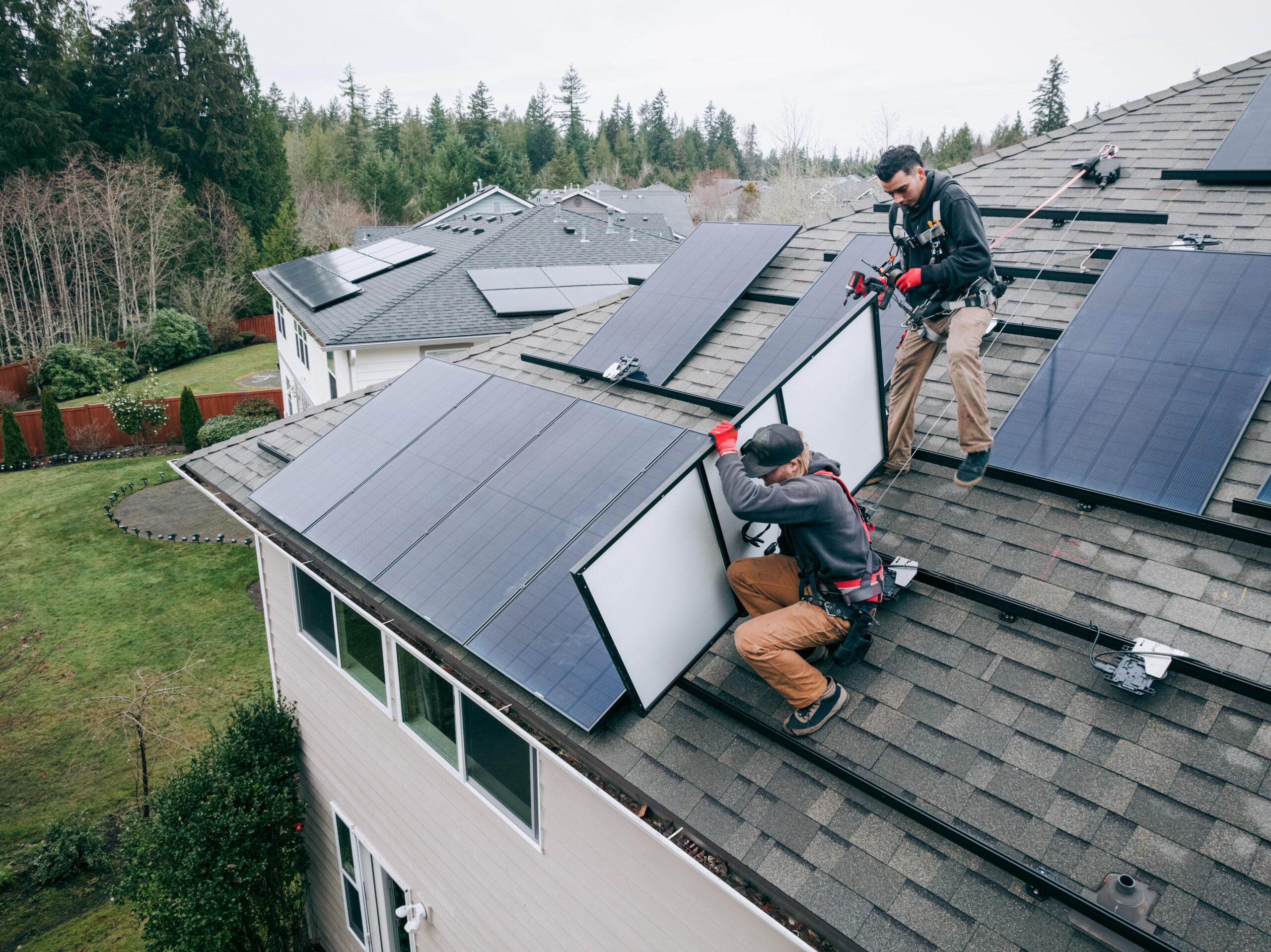
On installation day, you can expect a crew of 5-7 technicians, including a certified electrician, to complete the solar installation process. The crew will first mount the racking equipment to the roof, and then they will attach the panels to the racks and make sure they fit properly and are secure in their position. Next, the system will be wired and connected to your home’s electrical panel. During the installation process, the crew will need access to the roof, and they will need to come into your home to access the electrical panel, typically within a couple of days.
Step 4: Inspection, Utility Connection, & System Activation
After the system is installed and set up, it needs to be inspected and approved for use by Georgia Power before it can be turned on. After utility approval, it is activated and ready to generate power.
Step 5: Monitoring, Maintenance, & Ongoing Support
Your solar system will include active monitoring equipment to show you how much energy it generates and how much energy you’re consuming. This will ensure that your system is functioning properly as it gets up and running. After installation, you may need maintenance and support to keep it functioning properly. Our team is here to help whenever you need us.
Start Your Solar Installation With Confidence
Better Tomorrow Solar is well-recognized in Atlanta, GA, for our exceptional customer service, quick turnaround times, and high-quality solar system installation using U.S.-made products. Contact us today to get started on the solar installation process with your free solar introductory meeting.
Home Solar Installation FAQs
How long does it take to install solar panels? The installation process itself takes just 1-3 days for most systems. However, the process of getting solar panels up and running takes much longer due to permitting and utility approvals, which can take several weeks.
Do I need to leave my home while solar panels are being installed? You can remain at home with minimal disruption during the installation process. There may be brief periods in which we need to cut off power to your home, but you should be able to maintain your normal routine while the solar panels are being installed. You will need to be home when the electrical crew arrives so they can access your attic to complete the installation.
What can I expect during my free solar consultation? During your free initial consultation, we will discuss your goals with solar power, your budget, and the projected timeline and cost of your project. You should expect this meeting to take about 30 minutes and provide you with lots of information about the solar installation process.
Do I have to install solar panels on the roof? Most residential solar systems are mounted on the roof, but in some cases, you may choose ground-mount solar panels depending on your needs and local building regulations. When you contact us for a consultation, we will walk you through all your options for solar panel installation.

Contact Us About This Program
In 2025, Georgia Power introduced the Virtual Power Plant (VPP) Pilot Program as part of its Integrated…
When you’re considering making the switch to renewable energy with residential solar in Atlanta, GA, it is important to consider your local climate…